From Digitization to Transformation: Why Edge Intelligence, Open Source, and a New Culture of Cooperation are Future-Proofing European infrastructure.
The debate surrounding the Smart City has shifted. I see the next major innovation in urban resilience and data integration—in how cities intelligently connect data, systems, and stakeholders without sacrificing their openness or independence.
Urban resilience a city’s ability to absorb disturbances and adap is rapidly becoming the key competence for the future.
The Backbone of New Urbanity: Edge & IoT
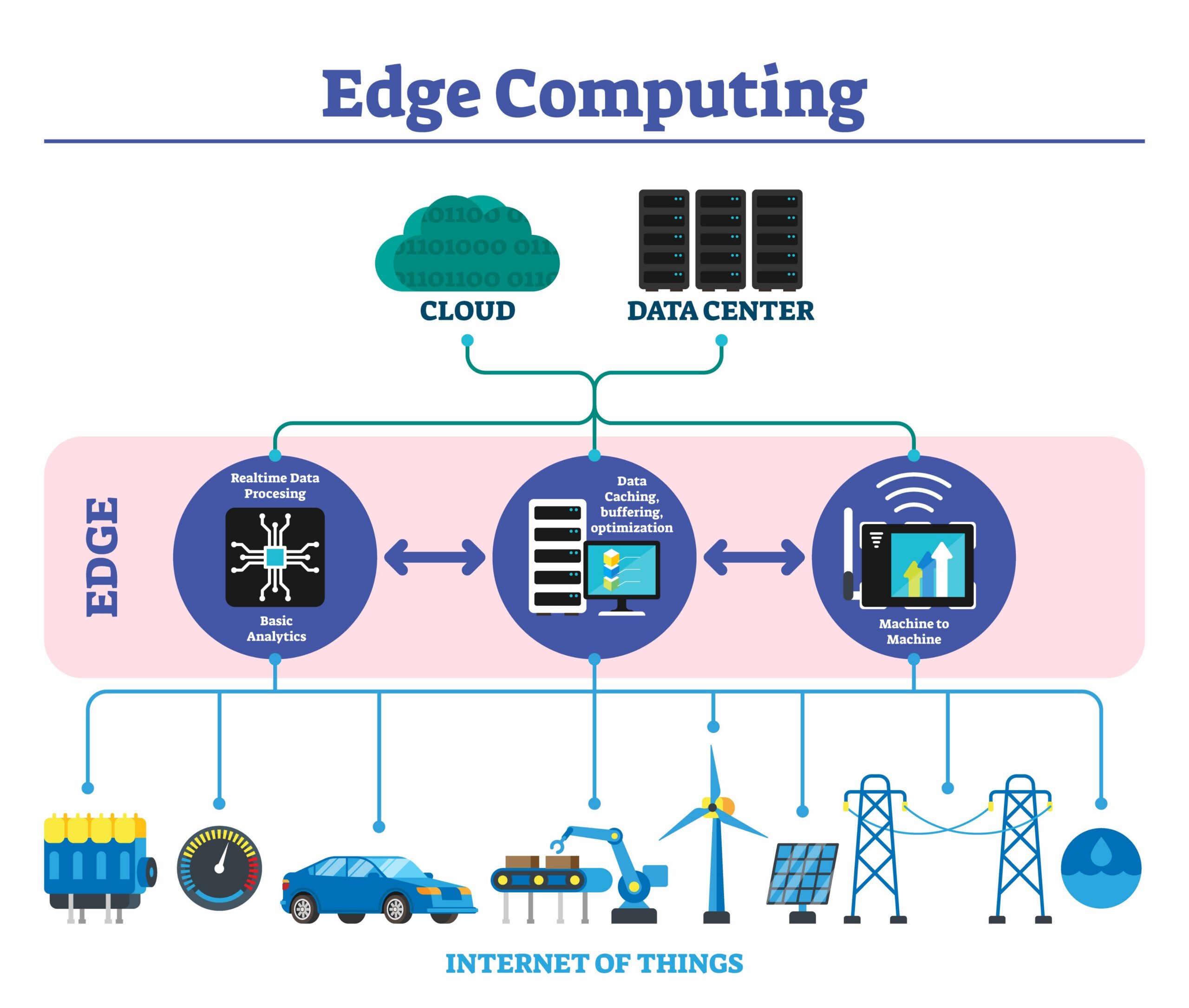
IoT technologies, Industrial PCs, and Edge infrastructures form the backbone of this new urban landscape. As I described in my article “Industrial PCs, IoT, Open Source & Resilience: Thriving in Disruption in Europe,” these are no longer isolated devices, but nodes of distributed intelligence. They enable:
Real-Time Analytics: Processing data directly at the network edge, allowing for rapid decisions and responses.
Operational Security: Ensuring the operation of critical infrastructures even during central system failures.
Digital Sovereignty: Creating the technical foundation for trust and control over a city’s own data.
“The central lesson from the European Digital Strategy is: Resilience is not isolation; it is cooperation.”

Openness as a Strategic Necessity
That’s why I emphasize that Smart City systems must be developed to be open, interoperable, and collaborative. Open Source and open interfaces are not ideological preferences; they are strategic prerequisites for security, innovation, and sustainability.
Only through open standards can we prevent dependency on individual vendors and foster the broad, collaborative development of data-driven services that benefit the whole community.
Technology as a Tool for Added Value
I’ve seen in Germany in places like Wolfsburg and Heidelberg that Smart Cities succeed when they don’t put technology above people, but use technology as a tool for a common goal.
In the “Open Digital Platform” project in Wolfsburg, we successfully integrated IoT data from traffic, energy, and the environment onto a unified municipal platform. But the crucial element wasn’t the sensor technology itself; it was the shared governance: citizens, administration, and businesses worked together to design data-driven services that create real added value.

The Jevons Trap: Rethink, Don’t Just Replicate
At the same time, we must be careful not to fall into the so-called Jevons Paradox: Efficiency alone doesn’t make a city sustainable. If we merely digitize processes instead of fundamentally rethinking them, we risk increasing resource consumption more data, more energy, more complexity.
As I stressed in my essay “Digitization Isn’t Enough: Rethink, Don’t Just Replicate,” the goal is not to replicate analog structures 1:1, but to redesign them. True transformation emerges only when we connect technology with culture, planning, and ethics.
The future of Smart Cities won’t be determined by the next sensor or algorithm, but by our ability to connect data, infrastructure, and people in a resilient, open ecosystem.
This requires:
- Open Standards and Interfaces for sustainable cooperation.
- Edge Intelligence for autonomy and security.
- Transparency and Trust through Open Source.
- And above all, a new culture of cooperation that involves citizens as active co-creators.
Or, as I like to phrase it:
“A city is not smart because it is connected by data—it is smart because it is connected by life.”